
Table of Contents
- Why Dating in Your 30s Feels Different
- How to Spot Emotionally Unavailable Men Before You Invest
- Setting Dating Standards for Women Over 30
- Moving Beyond the Dating App Treadmill
- Managing Anxiety and the Ticking Clock Myth
- Conversations That Matter: What to Discuss Early
- From Burnout to Intentional Dating
- Frequently Asked Questions
Last Updated: September 28, 2026
Why Dating in Your 30s Feels Different
The dating landscape has shifted dramatically. According to Institute for Family Studies' State of Our Unions 2026 report, 74% of women reported they had not dated or dated only a few times in the last year. This isn't a personal failure, it's a systemic shift. The "dating recession" is real, and if you're a woman over 30 navigating this terrain, you're not alone.
What makes dating in your 30s fundamentally different from your 20s isn't just age. It's clarity. By 30, you know what you don't want far better than you did at 22. You've likely experienced heartbreak, wasted time, or the peculiar pain of investing in someone who wasn't investing back. That experience is valuable. It's also exhausting.
At Man Plan 101, we work with women who are tired of patterns. They're tired of choosing emotionally unavailable men, tired of hoping someone will change, tired of the gap between who a man presents himself to be and who he actually is. The good news: recognizing patterns is the first step to breaking them. Dating advice for women over 30 works best when it acknowledges this reality, you're not starting from scratch. You're starting from experience.
How to Spot Emotionally Unavailable Men Before You Invest
This is where most dating advice fails. It tells you to "trust your gut" or "watch for red flags," but doesn't show you what those flags actually look like in real time. Emotional unavailability isn't always obvious. Sometimes it hides behind charm, humor, or strategic vulnerability.
The Early Warning Signs
Emotionally unavailable men often display patterns that feel subtle at first. They may be inconsistent with communication, responsive one week, distant the next. They talk about their feelings selectively, usually only when sharing a problem they want you to solve. They rarely ask about your inner world with genuine curiosity. When you share something vulnerable, they redirect or minimize it rather than sitting with it.
One critical signal: they struggle with accountability. When something goes wrong, the narrative shifts. It's circumstance, timing, an ex, their job, anything but their own choice. A man who can't own his mistakes can't build trust. He'll do the same thing to you that he did to the last woman, and he'll have a reason why it wasn't his fault.
Another pattern involves future-talk without present action. They mention plans, dreams, or "someday" scenarios but don't follow through on smaller commitments. If he cancels dates, shows up late repeatedly, or says he'll call and doesn't, that's not carelessness. That's a signal about his priorities and his respect for your time.
What Emotional Availability Actually Looks Like
An emotionally available man is consistent, not perfect. He doesn't have to be flawless, he needs to be reliable. He follows through on small things because small things matter. He can discuss difficult topics without shutting down or deflecting. When you're upset, he doesn't try to fix you immediately; he sits with the discomfort and asks what you need.
Emotional availability shows up in how he handles conflict. Does he avoid it entirely, or does he engage thoughtfully? Can he apologize genuinely, or does every apology come with a "but"? A man worth your time can say, "I was wrong. Here's what I'll do differently," without needing you to reassure him or soften the blow.
He's also curious about you beyond the surface. He asks follow-up questions. He remembers details you've mentioned and brings them up later. He wants to understand your values, not just your preferences. This matters because dating advice for women over 30 should emphasize this: emotional availability is visible in consistent, small actions over time, not in grand gestures.
Setting Dating Standards for Women Over 30
By your 30s, you've earned the right to standards. Not rigid demands, standards. The difference is that standards are flexible based on context, while demands are absolute. Standards help you recognize a genuinely good fit. Demands often filter out people who could actually work.
Your standards should center on non-negotiables: How does he treat service workers? Can he admit when he's wrong? Does he respect your boundaries? Is he honest about what he wants? These reveal character. They're worth your attention far more than whether he makes six figures or drives a certain car.
One thing most dating advice misses: your standards need to be rooted in your actual values, not in what you think you should want. If you value independence, a man who needs constant reassurance will drain you. If you want a partner who's present, someone married to his career won't satisfy that need. Clarity here prevents months of hoping he'll change.
The real work is enforcing your standards without apology. If someone doesn't meet them, that's not rejection, that's you choosing yourself. Women over 30 often struggle with this because we're conditioned to be accommodating. But accommodation without standards is just settling.
Moving Beyond the Dating App Treadmill
Dating apps have become the default, but they're not the only option. In fact, for many women over 30, apps create a specific kind of fatigue. You're evaluating hundreds of profiles, sending messages that go unanswered, and managing the emotional labor of rejection at scale. It's efficient, but it's also exhausting.
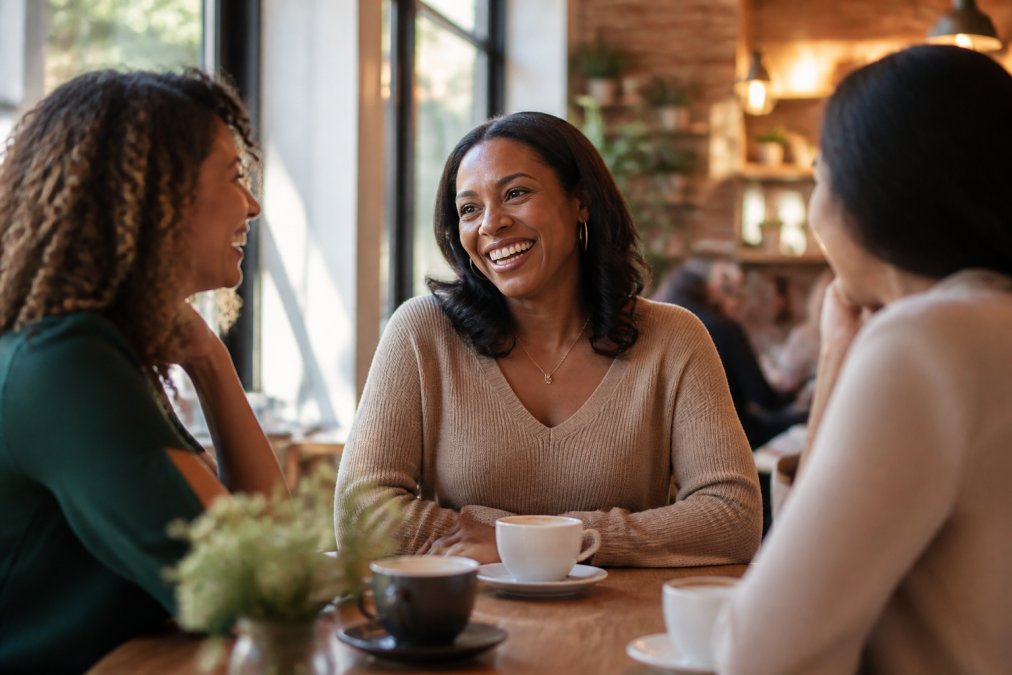
Low-Stakes Social Invitations That Actually Work
Implementing a "low-stakes social invitation" approach can increase opportunities for organic connection by shifting focus away from high-pressure dating app interactions. What does this mean practically?
Low-stakes invitations are activities where the goal isn't explicitly dating. You're not asking someone to dinner with romantic intentions plastered all over it. You're inviting them to something you'd enjoy anyway: a gallery opening, a friend's party, a hiking group, a book club. The pressure drops immediately. If there's chemistry, it emerges naturally. If there isn't, you've still had a pleasant evening.
This approach works because it removes the performance aspect. On dating apps, both people know the intention is romantic evaluation. In a natural setting, you're just two people sharing an experience.
Managing Anxiety and the Ticking Clock Myth
Here's what most dating advice gets wrong about the ticking clock: it's real as a biological fact, but it's weaponized as an emotional tool. The anxiety around it often causes worse decision-making than the actual timeline.
Conversations That Matter: What to Discuss Early
By your 30s, you don't have time for slow reveals. You need to know early whether someone is aligned with you on the things that matter.
From Burnout to Intentional Dating
Dating burnout is real. It's the exhaustion that comes from repeated rejection, wasted time, or the emotional labor of managing your own hopes and disappointments. By your 30s, you've likely felt it.
Frequently Asked Questions
How do I stop wasting time on incompatible dates?
Be upfront about your relationship goals on your dating profile and in early conversations. Ask clarifying questions about their intentions within the first few messages. If someone is vague about wanting a serious relationship or keeps conversations surface-level, that's a signal to move on. Setting clear dating standards for women over 30 means knowing what non-negotiable qualities matter to you, and screening for them early rather than hoping someone will change.
What are the most important standards for women dating in their 30s?
Emotional maturity, transparency about intentions, and lifestyle alignment matter more than they did in your 20s. Look for someone who communicates openly, takes responsibility for their actions, and has a clear vision for their future. Financial stability and compatible life goals, whether that's children, location, or career focus, prevent painful incompatibilities later. Red flags include someone who avoids serious conversations, keeps you guessing about where you stand, or shows inconsistency between words and actions.
How can I identify an emotionally available partner?
An emotionally available person shows consistency in their actions and words, initiates meaningful conversations without you always leading, and is honest about their feelings and limitations. They remember details you share, follow through on plans, and handle conflict with respect rather than withdrawal or blame. They're willing to be vulnerable and ask about your needs. Watch for how someone responds when you express a concern or boundary, emotional availability means they listen without becoming defensive.
Is it harder to find a partner after 30?
The dating landscape is different, not impossible. Recent research indicates that 74% of women reported little to no dating activity in the past year, reflecting a broader dating recession. However, this also means the women who are intentional and strategic about dating stand out. The advantage of dating in your 30s is clarity: you know yourself better, you can spot incompatibility faster, and you're more likely to seek a serious relationship rather than settle for ambiguity. Quality matters more than quantity.
What should I discuss on a first date to assess compatibility?
Move beyond surface questions to explore relationship readiness, life goals, and values. Ask about their previous relationships and what they learned. Discuss timelines for major life decisions like children or relocation. Notice how they talk about exes and past partners, bitterness or blame is a red flag. Share what you're looking for and observe whether they engage genuinely or deflect. Transparency early prevents months of wasted time on someone who isn't aligned with your vision.
How do I manage dating anxiety and the pressure of the biological clock?
The 'ticking clock' narrative often leads to poor decisions and unnecessary anxiety. Societal pressure about biological clocks can frequently result in choosing unsuitable partners. Instead, focus on what you can control: your standards, your self-worth, and your intentionality. Recognize that single life has its own bliss, and rushing into the wrong relationship is worse than staying single. Mindfulness practices and boundary-setting work help reduce anxiety by shifting you from anxious hoping to confident choosing.
What's the difference between a situationship and a committed partnership?
A situationship lacks clarity about intentions and future direction. Someone in a situationship avoids defining the relationship, keeps things casual indefinitely, and resists conversations about commitment. A committed partnership involves explicit agreement about exclusivity and relationship goals, consistent effort to build intimacy, and willingness to work through conflict. For women over 30, recognizing the difference early means asking directly: 'What are you looking for?' If the answer is vague or non-committal, that's your answer.